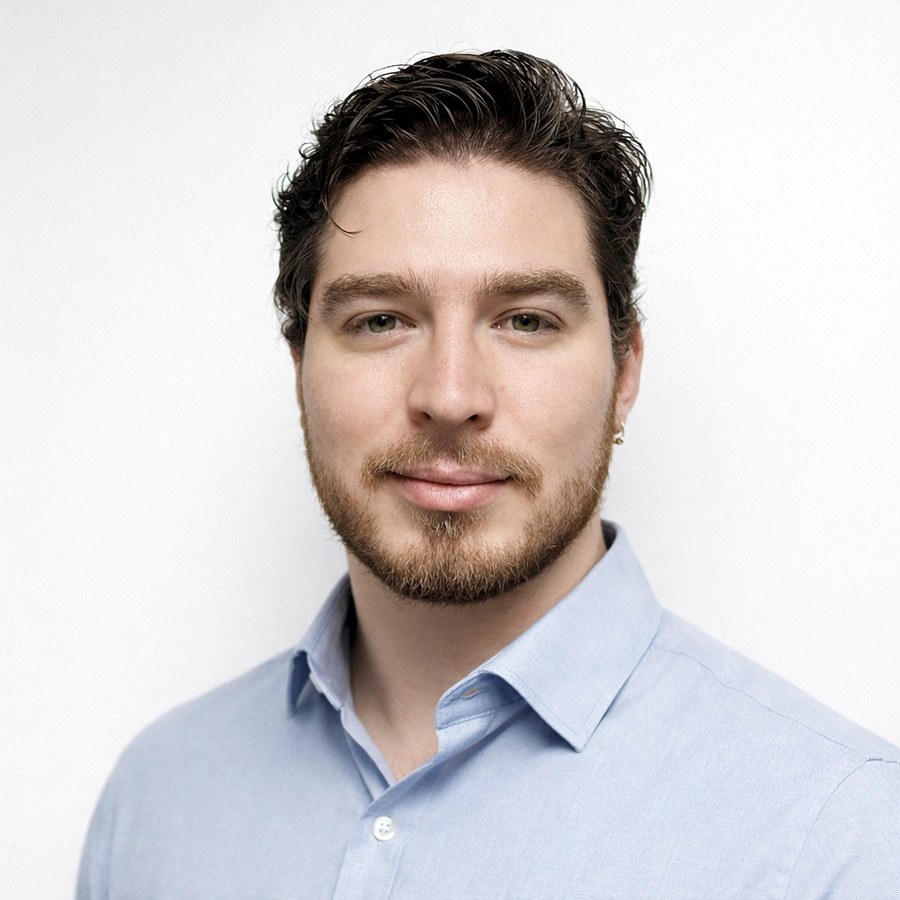
Renato Fuentes is a linguist and localization manager who supports multilingual communication workflows between English and Spanish.
His focus is language access — making sure critical information actually reaches the communities it was written for, in language they recognise and trust. That takes more than accurate sentences. It takes the right register, the right rhythm, and an ear for the cultural assumptions a reader brings to the page.
Day to day, that means building workflows that hold up under pressure: setting translation quality standards, running linguistic review against frameworks like MQM and ISO 17100, and coordinating linguists on high-stakes material — the kind where a clumsy sentence isn't a style problem, it's someone missing information they needed.
He is unusually interested in the machinery behind good translation: terminology bases, style guides, quality frameworks, and increasingly the AI and automation that let a small studio produce work at a scale that used to require a large one. The technology is a means, never the author. Every deliverable is read and signed off by a human linguist.